
When you have only two days to spare, the city you pick can make or break the experience. I’ve tried five UK hotspots and measured them by three concrete factors: venue density (how many bars, clubs, or live music spots are within a 15‑minute walk), average door price, and after‑hours transport options. The numbers helped me avoid places that look lively on Instagram but leave you stranded after midnight.
Manchester: The Northern Beat
Manchester packs roughly 120 venues into the city centre, from the industrial‑chic Deansgate Locks to the indie‑filled Band on the Wall. On a typical Saturday, you can hop from a craft cocktail bar to a techno warehouse without walking more than 500 metres. Door fees average £6 for clubs and £4 for live gigs, which is about 30 % cheaper than London. The city runs a 24‑hour bus service on Friday and Saturday nights, so you’ll never have to wait more than ten minutes for a ride home.
London: The Ultimate Variety
If variety is your priority, London delivers. In Shoreditch alone there are over 200 night‑time spots, ranging from speakeasy gin bars to massive EDM venues like Fabric. Prices are the highest in the country: average club entry sits at £12, and a pint in a trendy bar can cost £6.50. The downside? Late‑night tube lines stop at 1 a.m. on weekends, so you’ll need to rely on night buses or rideshares, which can add £15‑£20 to the total cost.
Bristol: The Creative Hub
Bristol’s nightlife thrives on its music‑scene heritage. The Harbourside area hosts about 70 venues, many of which feature live bands rather than DJs. Door charges are modest—£5 for most clubs and often free for early‑night gigs before 10 p.m. Public transport runs until 2 a.m. on weekends, and the city’s bike‑share scheme makes it easy to pedal home if you’ve had a few drinks.
Glasgow: The Party That Never Sleeps
Glasgow offers a relentless pace with roughly 90 venues clustered around Sauchiehall Street and the West End. The city’s clubs often waive entry after 11 p.m., so you can start cheap and stay late. Average drink prices sit at £4.50, and the subway (the “Clockwork Orange”) runs 24 hours on Fridays and Saturdays, eliminating the need for taxis. The only drawback is the weather—rain can turn outdoor terraces into soggy messes.
Leeds: The Student‑Powered Scene
Leeds’ nightlife is driven by its large student population, resulting in a dense concentration of bars—about 80 within a two‑kilometre radius of the university. Door fees are the lowest of the five cities, often under £4, and many venues run “drink‑one‑get‑one‑free” promotions on Thursday nights. However, the city’s night‑bus service ends at 1 a.m., so you’ll need to plan a later ride home if you stay out past that.
From City Lights to Digital Lights
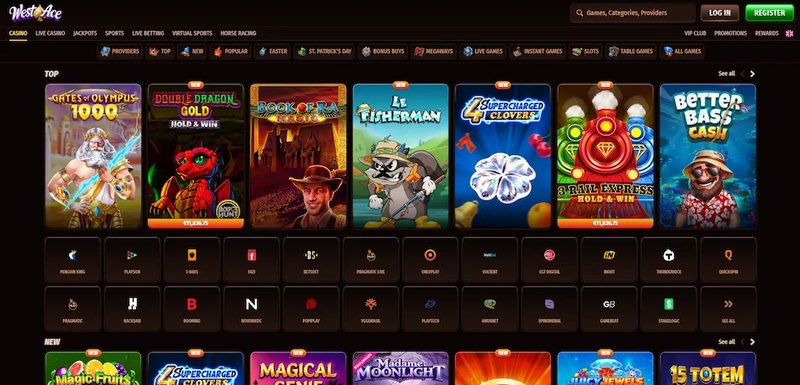
While you’re mapping out which city to hit, you might also consider a quick digital diversion. A few clicks can transport you from a bustling Manchester club to a virtual table at West Ace Casino, offering a different kind of late‑night excitement without leaving your hotel.
Which City Wins?
Pick Manchester if you want a balance of cost, venue density, and reliable transport. Choose London for sheer variety and don’t mind the higher price tag. Opt for Bristol for live music and a relaxed vibe, Glasgow for nonstop action, or Leeds for budget‑friendly fun. Align the city with your priorities—price, transport, or type of entertainment—and you’ll walk away with a weekend that feels tailor‑made.