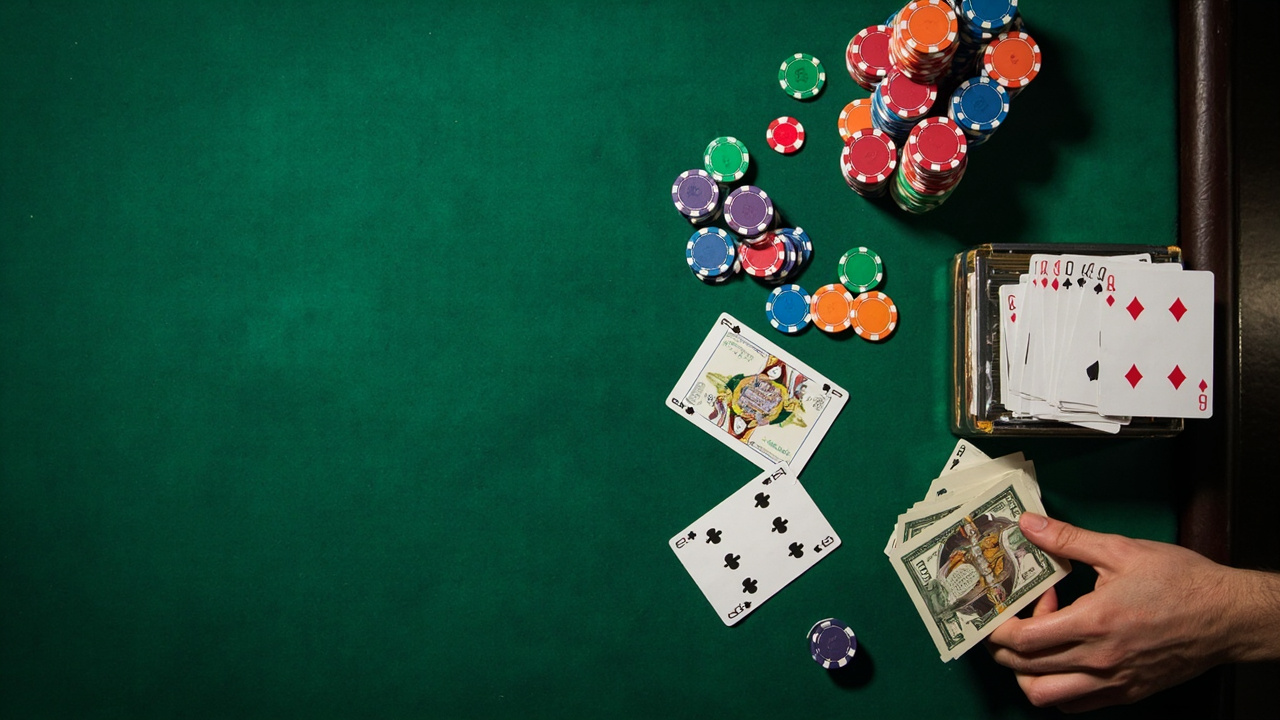
I asked an expert how stack depth changes the way a hand plays out, and the answer turned into a proper arvo conversation rather than a dry briefing. When you sit down at a cash game or a tournament table, the number of chips in front of you shapes every decision before the cards even hit. We walked through how a short stack forces quick choices, how a deep stack rewards patience, and why the same hand can mean something entirely different depending on your buy-in. The trick is matching your stack to the format you actually want to play, not the one that looks busiest on the screen.
Why stack depth changes every decision at the table

A journalist watching a live stream once asked me whether a hundred big blinds was enough to play properly, and I told them it depends entirely on what you are trying to achieve. A short stack under fifty big blinds squeezes your options because you cannot afford to wait for perfect hands, and you end up committing your chips with less room to manoeuvre. That pressure is real, and it shows up quickly when you are trying to preserve a buy-in for another session. I have spent years building VIP loyalty programmes where the best customers are the ones who understand their own limits, and the same precision applies here: you need to know whether you are playing for a quick flip or a long, grinding session.
Deep stacks above a hundred big blinds flip the script because you can see flops, realise equity, and let the pot grow without forcing a reckless shove. The catch is that deeper money requires more discipline, because you can easily drift into fancy plays that look clever but bleed chips over time. I always tell players that a well-run loyalty setup rewards repeat, measured play rather than one wild swing, and that is exactly how a healthy stack behaves when you respect the maths instead of chasing a hero call. If you want a clearer picture of how different buy-ins shape the action, the breakdown at elvis frog trueways lays out the practical differences without dressing them up.
To maintain profitability in these deep-stack environments, you need a structured jasamural.com approach that prioritizes long-term expected value over short-term hero calls. Many players find that studying consistent, mathematically sound frameworks helps them avoid those costly stylistic detours. For a comprehensive breakdown of disciplined deep-stack strategies, visit the elvis frog trueways guide at https://elvis-frog-trueways-online-au.com/.
Abigail Lee, Senior Market Analyst, Pacific Player Protection Institute, has pointed out that players who ignore stack-to-blind ratios tend to overcommit early and then wonder why their sessions vanish. She is right to flag it, because the ratio is not just a number on a screen; it is the pace at which you are forced to act. A stack that suits your style keeps you in the game long enough to make real decisions, while a mismatch turns every orbit into a stress test. That is the first thing worth sorting before you worry about which provider runs the felt.
How buy-ins, blinds, and table pace fit together
The way a table is set up changes the meaning of your stack more than most people expect, and I have seen customers misread a room because they assumed every format worked the same way. A cash game with rebuys lets you top up when you dip, which feels comfortable until you realise that constant rebuys can mask a style that is not actually profitable. I have managed digital growth campaigns where the repeat players were the ones who tracked their own averages rather than chasing every downswing, and poker stacks work the same way: consistent sizing beats impulsive topping up every time.
Tournament stacks start much tighter because the blinds climb, so a stack that feels fine on the first level can shrink to a shove-or-fold situation before the afternoon is over. That clock pressure is the whole point of the format, and it rewards players who plan their moves around the rising blinds instead of waiting for a dream hand. When I design VIP experiences, I always build in clear milestones and realistic expectations, because a customer who knows where they stand stays engaged longer. The same logic holds here: if you understand how fast your stack is eroding relative to the blinds, you can pick your spots instead of reacting to every raise.
Perth players who sit in local card rooms or join weekend home games often run deeper than the average online table, simply because the pace is slower and the buy-ins are discussed before the first hand. That slower rhythm gives you more room to think, but it also means you cannot hide behind a quick fold when the action heats up. I reckon the best approach is to pick a stack that matches the speed of the room, because a format that suits your timing keeps you focused on the cards instead of the clock. If you are comparing live and digital sessions, the practical differences in stack behaviour are worth a look before you commit your buy-in.
Choosing a stack that suits your style and your bankroll
The stack you choose should line up with the way you actually play, not the way you wish you played on a good day. A tight, patient player can stretch a modest stack further because they are not forcing action with marginal hands, while a bold player who likes to put pressure on opponents usually wants enough chips to make those raises count. I have built loyalty tiers around the idea that the right fit keeps people coming back, because a mismatched setup burns through a bankroll and leaves nobody happy. The same principle applies at the table: your stack should support your style, not fight it.

Bankroll discipline matters just as much as the chips in front of you, because a stack that looks comfortable can still be too heavy for a single session if you are not tracking your limits. I always advise players to treat their buy-in like a line item, not a mood, and that mindset keeps the session enjoyable even when the cards go cold. A good loyalty programme keeps you engaged after the welcome offer fades, with recurring promos, cashback, tournaments, and repeat-play reasons that make the next session worth booking in. That is the kind of ongoing value that matters far more than a one-off bonus, and it is the same discipline that keeps a stack healthy over time.
I asked myself whether a player should start deep and trim down or start short and build up, and the honest answer is that it depends on the room and your own tolerance for pressure. A deeper start gives you more room to learn the table, but it also asks more of your patience when the action slows. A shorter start forces you to make decisions faster, which can be a useful squeeze if you like clear, quick reads. Either way, the stack is a tool, not a trophy, and the players who treat it that way tend to walk away with their money and their rhythm intact.